GPT-5.1 and Claude Opus 4.5 Push Agentic AI Forward
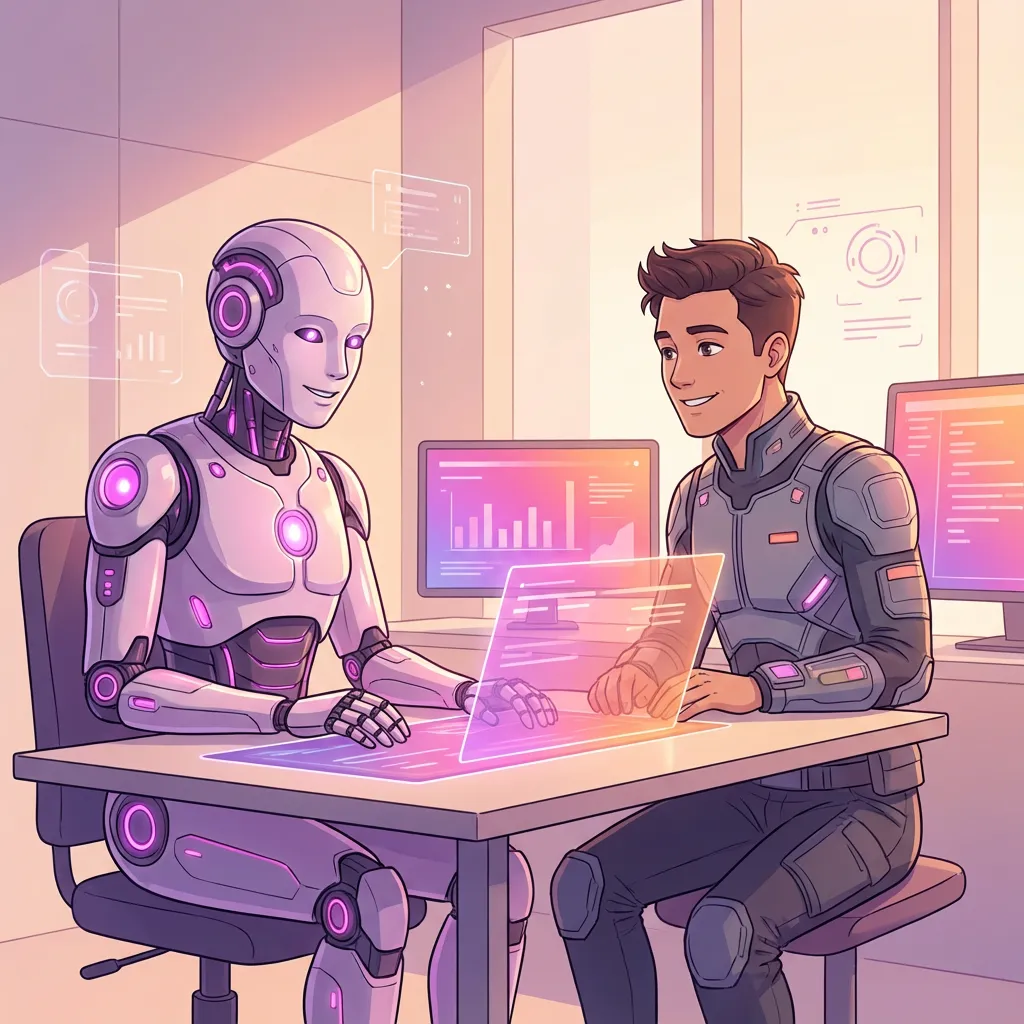
GPT-5.1 from OpenAI and Claude Opus 4.5 from Anthropic both rolled out this week. These updates raise the ceiling for agentic AI. Tasks that once needed manual steps now run end-to-end inside the models. This shift moves AI from assistant to teammate.
The Update
GPT-5.1 introduces two modes. Instant handles fast everyday tasks. Thinking tackles deeper reasoning and structured work. Claude Opus 4.5 brings stronger accuracy, better code generation, and higher reliability across long workflows. It is leaner, faster, and more consistent in real projects. Both releases push LLMs into automation and execution instead of single-step replies.
Why It Matters
Small businesses and solo creators now have access to AI that handles full workflows. This includes planning, outlining, drafting, revising, and organizing content or tasks. You gain more time and output without hiring extra help. AI agents are becoming practical digital coworkers.
How to Use It Now
Start with these steps:
Use GPT-5.1 Instant for brainstorming, email drafts, short posts, and quick clarifications.
Use GPT-5.1 Thinking for strategy, content planning, SEO research, and mapping automation flows.
Use Claude Opus 4.5 for structured tasks like spreadsheet cleanup, tag organization, and rewriting documents.
For multi-step workflows, give the model a clear goal, list each step, and let it generate the entire output chain.
Key Takeaways
GPT-5.1 and Claude Opus 4.5 expand what everyday users can automate.
Both models reduce friction in content and workflow execution.
Agentic AI turns AI from a writing tool into a workflow partner.
You can adopt these improvements today to improve productivity and consistency.
Sources
OpenAI GPT-5.1 release overview: https://en.wikipedia.org/wiki/GPT-5.1
Claude Opus 4.5 launch coverage: https://www.techradar.com/ai-platforms-assistants/claude/claude-opus-4-5-is-now-live-and-meaningfully-better-at-everyday-tasks-and-coding-challenges
Agentic AI industry shift: https://www.interviewquery.com/p/ai-agents-as-coworkers-2025